What Happens to Crypto When You Die?
On this page
What Happens to Crypto When You Die?
If you passed away tomorrow, could your family actually access your Bitcoin or NFTs? Unlike a bank account that can be reset with paperwork, crypto is controlled by cryptographic keys that do not care about court orders. This reality makes crypto inheritance planning less about forms and more about access.
This guide explains what really happens to your coins, how exchanges handle estates, how to structure self-custody for heirs, and which documents to prepare. If you are newer to the space, start with our plain-English primer, then come back here with context from Crypto for Beginners.
You will leave with an action plan that protects your privacy while giving your heirs reliable, step-by-step access to your funds.
Why Crypto Estate Planning Matters
Cryptocurrency flips the default of traditional finance. Banks, brokers, and payment apps verify your identity and can reset access if you lose credentials. Crypto reverses that trust stack: possession of the private key is control. No key - no coins.
History is full of cautionary tales. Early Bitcoin adopters from 2009 to 2013 mined or bought coins that later became life-changing sums, then lost access with misplaced hard drives or forgotten passphrases. Independent analyses have estimated that roughly 3.0 to 3.7 million BTC are likely irretrievable - a sobering indicator of what happens when keys are lost. The underlying reason is technical, not emotional: public blockchains like those explained in our Everything You Need to Know About Blockchain Technology post enforce math, not mercy.
Even crypto OGs understood this risk early. Pioneer Hal Finney discussed key management and long-term security more than a decade ago because he knew value without a recovery path is value at risk. If you hold any nontrivial amount of crypto, planning for incapacity or death is not optional. It is part of responsible ownership.
Who Actually Controls Your Coins: Keys, Custody, and Access
Think of your crypto as valuables in a safe. The wallet software is the safe door, your private key or seed phrase is the master key, and the blockchain is the vault's audit log. Whoever holds the master key can open the safe. Nobody else can - not a judge, not a support team, not even the original developer.
There are three broad setups that determine what happens when you die:
-
Custodial accounts: An exchange or broker holds the keys on your behalf. Access is based on your login credentials plus the custodian's internal controls. For heirs, this typically means supplying legal documents to the company so they can transfer assets.
-
Self-custody: You hold the private keys directly. This includes software wallets and hardware wallets. Your heirs will only access funds if they can find your wallet location and decrypt it with your seed phrase or passphrase. Losing that phrase is final.
-
Hybrid or multi-party: You divide control between yourself and others using multi-signature or shared recovery designs. These options can significantly improve survivability and reduce single-point-of-failure risk.
Practical nuance matters. A 24-word seed phrase stored in your head helps privacy but leaves heirs blind. A seed phrase printed plainly in your desk drawer gives heirs access, but it also hands your funds to any burglar. Balance comes from structure: clear instructions for heirs, plus layered protection against accidental exposure. If you stake coins, for instance, heirs need to know about validator keys, lockup periods, and unbonding delays. If you are new to these mechanics, align with our The Ultimate Beginner's Guide to Crypto Staking and ensure heirs know where your staking dashboards live.
A final word on identity: the blockchain does not know who you are. It sees only addresses and signatures. It does not matter if your coins were once discussed by Satoshi Nakamoto or your local meetup organizer - the only thing that counts is possession of the right signing material.
What Happens On Exchanges When You Die: Probate, KYC, And Policies
If your crypto is on a centralized exchange, your heirs' path runs through the exchange's estate department. Most reputable platforms have procedures that align with traditional probate processes and Know Your Customer (KYC) rules. Expect requirements such as a death certificate, proof of account ownership, letters testamentary or similar court documents, and identity verification for the executor or next of kin.
While policies vary, the general arc is consistent:
- Heirs or executors notify support and open an estate case.
- The platform requests legal documents and performs internal checks.
- Assets are transferred to the authorized estate wallet or liquidated per instructions.
Learn mechanics and trade-offs in our guide to platforms, Understanding Crypto Exchanges. If you plan to keep assets on major venues, it is wise to list your account email, 2FA method, and the exchange's heir instructions in your estate file. Popular regulated exchanges like Coinbase and Kraken publish clear inheritance documentation and will work with your executor, but they cannot help if heirs cannot even identify which accounts you held.
Timing is realistic but not instant. Standard probate can run 3 to 12 months depending on jurisdiction. During that time, exchanges will usually freeze account activity to prevent unauthorized access. If you enabled withdrawal allowlists or hardware security keys, your executor may need to coordinate with support to safely lift those protections.
Self-Custody Inheritance: Practical Setups That Work
Self-custody can be inheritance-friendly if you eliminate mystery for your heirs while preserving your security. A workable approach has three components: a clear map of what you own, where it is, and how to open it. The most common and reliable options are:
-
A sealed instruction letter stored with your will that points to your wallets and explains the recovery steps. It should never contain an unencrypted seed phrase in plain text. Instead, reference where the seed is stored and how to assemble it.
-
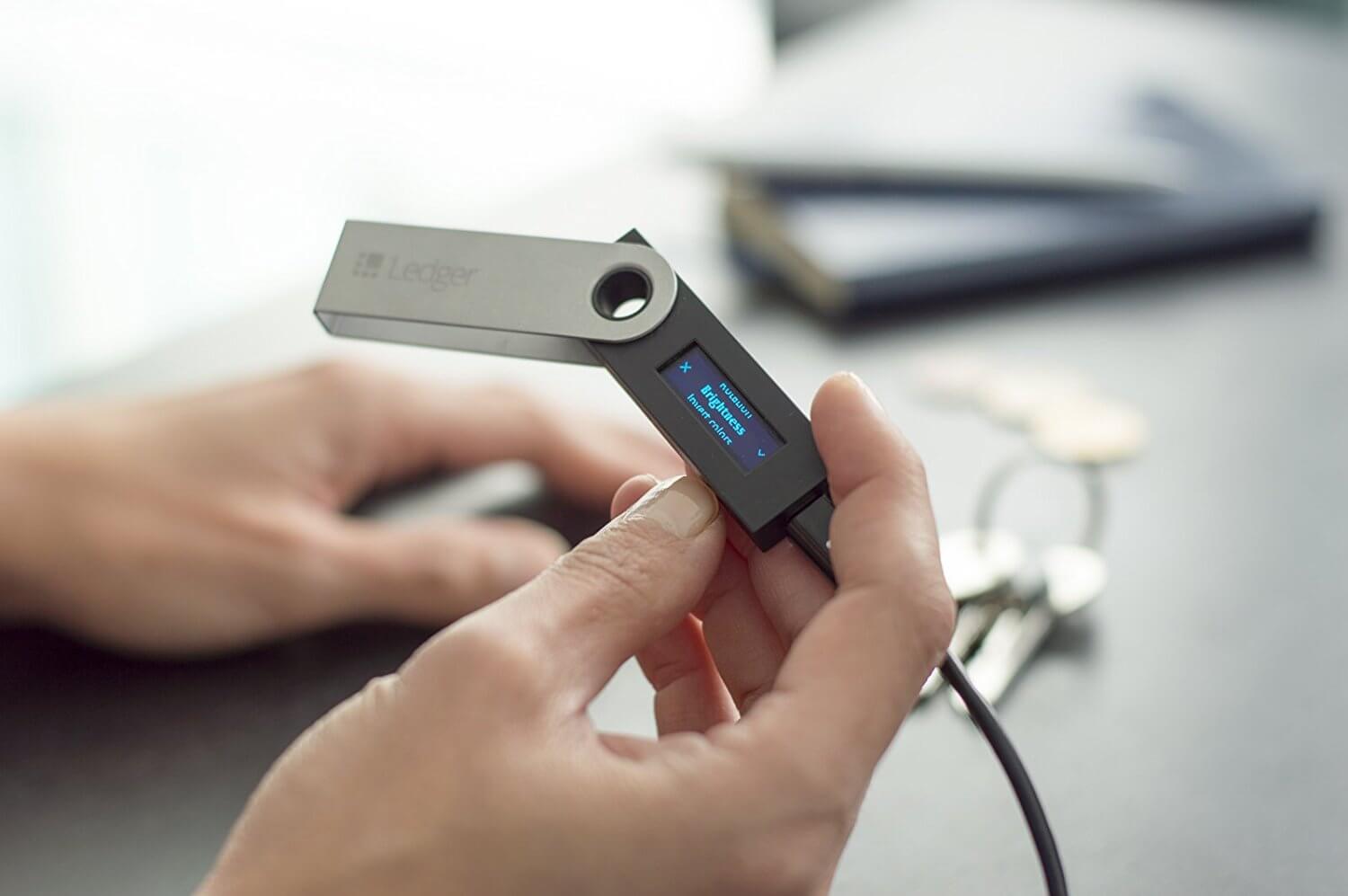
A hardware wallet held in a safe or safe-deposit box, with the seed phrase and any extra passphrase split across locations or trusted parties. The wallet itself is not enough without the seed.
-
A 2-of-3 or 3-of-5 multi-signature wallet where you hold some keys and your attorney or co-signer holds others. On your death, your executor and co-signer can combine keys to move funds. This reduces the risk that one lost paper or device bricks the estate.
-
A time-delayed inheritance contract for assets that support it. Smart contracts can automate access after inactivity or a specific date, though they still need careful failsafes to avoid accidental triggers.
A few platforms and chains allow programmable access flows. Smart contract design - widely enabled after Ethereum's 2015 launch - makes it possible to encode timelocks and social recovery. For a broader sense of how this technology can implement real-world logic, see How Smart Contracts Are Transforming Industries. Social recovery wallets, popularized by voices like Vitalik Buterin, let a group of "guardians" help restore access without revealing the seed, which can be adapted for inheritance with legal documentation.
Two brief, real-world scenarios help illustrate workable designs:
-
Case study 1 - the sealed map: Alex keeps a hardware wallet in a home safe. The 24-word seed phrase is etched on two metal plates. Plate A is in the safe; Plate B is at a bank safe-deposit box. The safe combination and the bank box key are held by Alex's spouse, and the executor holds a sealed letter that lists wallet types, derivation paths, and the safe-deposit box number. On Alex's death, the spouse and executor combine information to reconstruct the seed and access funds, with no single person able to drain funds beforehand.
-
Case study 2 - the co-sign model: Priya uses a 2-of-3 multisig for long-term holdings. She holds Key 1 on a hardware wallet at home, Key 2 on a different brand device at her office safe, and Key 3 is held by a law firm under an escrow agreement. Her will instructs the executor to coordinate with the law firm to combine Key 2 and Key 3 if Priya dies. This both protects against device loss and provides a smooth estate path.
Legal And Tax Considerations
Your crypto should be named in your will or trust, but never write a seed phrase directly into a will that will become public record during probate. Instead, your estate plan should refer to a separate, private memorandum or instruction letter stored securely. A revocable living trust can allow faster transfers and more privacy than a will in some jurisdictions, because assets titled to the trust pass without court filings.
Document what you own in human language that your executor can follow: coin names, chains, and approximate holdings as of a particular date. If you use privacy tools or multiple pseudonymous addresses, provide a master list in your private memorandum so that the executor can inventory the estate.
On taxes, most jurisdictions treat crypto as property. At death, many countries apply a step-up in basis and an inheritance or estate tax regime that depends on the total estate value. Heirs usually incur capital gains when they later sell inherited coins, based on their basis at inheritance. Reportability and forms vary, so align with a local professional and the orientation from our guide Understanding Cryptocurrency Taxes. A practical tip: store CSV export instructions for each wallet and exchange so your executor can produce cost basis and transaction history.
This is not legal or tax advice. Laws differ across the United States, the EU, the UK, and beyond, and they continue to evolve as regulators catch up with on-chain assets. The best plans combine a crypto-savvy attorney, a CPA, and a security-first wallet design.
Operational Playbook: Steps To Prepare Today
You do not need a perfect, future-proof solution. You need a clear, testable path your heirs can follow. Start with a written, plain-English inventory of wallets and accounts, and verify a trusted person knows this document exists and where it is stored. Then design your recovery flow with incremental layers, testing each piece.
A compact checklist helps when moving from concept to action:
- Inventory: List every wallet, chain, and exchange account; include device types, derivation paths, and where backups live. Date and sign the list.
- Access Map: Explain how an heir or executor proves identity to exchanges, where to find hardware wallets, and how to assemble any split seed or multisig quorum.
- Security Layers: Store seeds on metal backups, add passphrases where appropriate, and separate storage locations to reduce single-point-of-failure risk.
- Dry Run: Simulate the process with a small test wallet and have your executor walk through it. Fix any friction that shows up.
Tie these steps back to your broader security habits from How to Safely Store Your Cryptocurrency. Think like an engineer: document, test, revise.
Common Mistakes And How To Avoid Them
The most common error is assuming an exchange login is all heirs need. Without emails, 2FA details, and probate documents, even cooperative platforms cannot move assets. Keep a list of your email provider, phone carrier, and 2FA method in your estate file, along with instructions to access physical keys.
A second mistake is relying on a single copy of a seed phrase. Fires, floods, and theft happen. Use durable backups and consider splitting knowledge so that no individual holding one envelope can drain funds alone. Conversely, overcomplicating with obscure ciphers can backfire if your heirs are not technically inclined. If your executor is non-technical, simplicity beats elegance.
Vendor selection can be another trap. Choose widely used hardware wallets and wallet software with transparent recovery paths. Before committing, perform your own due diligence guided by our The Importance of DYOR (Do Your Own Research) mindset, and test that a second person can actually follow your instructions.
Tools, Signals, And Ongoing Maintenance
Inheritance planning is not set-and-forget. Review your plan at least annually or after significant events like exchange migrations, chain upgrades, or staking changes. If you modify wallet setups, immediately update the instruction letter.
Your executor will also need to track balances during probate. Provide read-only portfolio tooling so they can verify holdings without moving funds. A simple way to do this is to maintain a watch-only dashboard and a note that points to it, along with backup instructions. For lightweight monitoring options and best practices, see How to Track Your Crypto Portfolio.
Finally, label your cold wallets and cases in human terms. "Primary-btc-2024" is better for heirs than "XJ7-0A2." Small touches reduce errors when emotions run high.

Conclusion: Make Your Crypto Transferable Without Making It Vulnerable
Crypto does not come with a helpdesk, which is why planning for incapacity and death is part of responsible ownership. Exchanges can cooperate with estates when documentation is in order, but self-custody requires a map that family can actually follow. The difference between funds recovered and funds lost often comes down to whether the right person can find and assemble the keys.
Start small but start now. Build a plain-English inventory, create a secure access map, and test a dry run with a trusted executor. If you keep assets on platforms, document the estate steps for Coinbase or Kraken; if you self-custody, align to best practices from How to Safely Store Your Cryptocurrency. With a few hours of focused work, you can give your family certainty without sacrificing your security.
*Disclaimer: The information provided here is for informational purposes only and does not constitute financial advice. Cryptocurrency trading involves risks, so please DYOR. For beginners, check out our Beginners Guides to learn more.